Recovery Modalities in Athletic Performance
Evidence-based overview of massage, cold therapy, active recovery, and other modalities for post-exercise recovery.
Definition of Recovery Modalities
Recovery modalities refer to interventions used after training or competition to reduce fatigue, restore performance capacity, and accelerate physiological recovery.
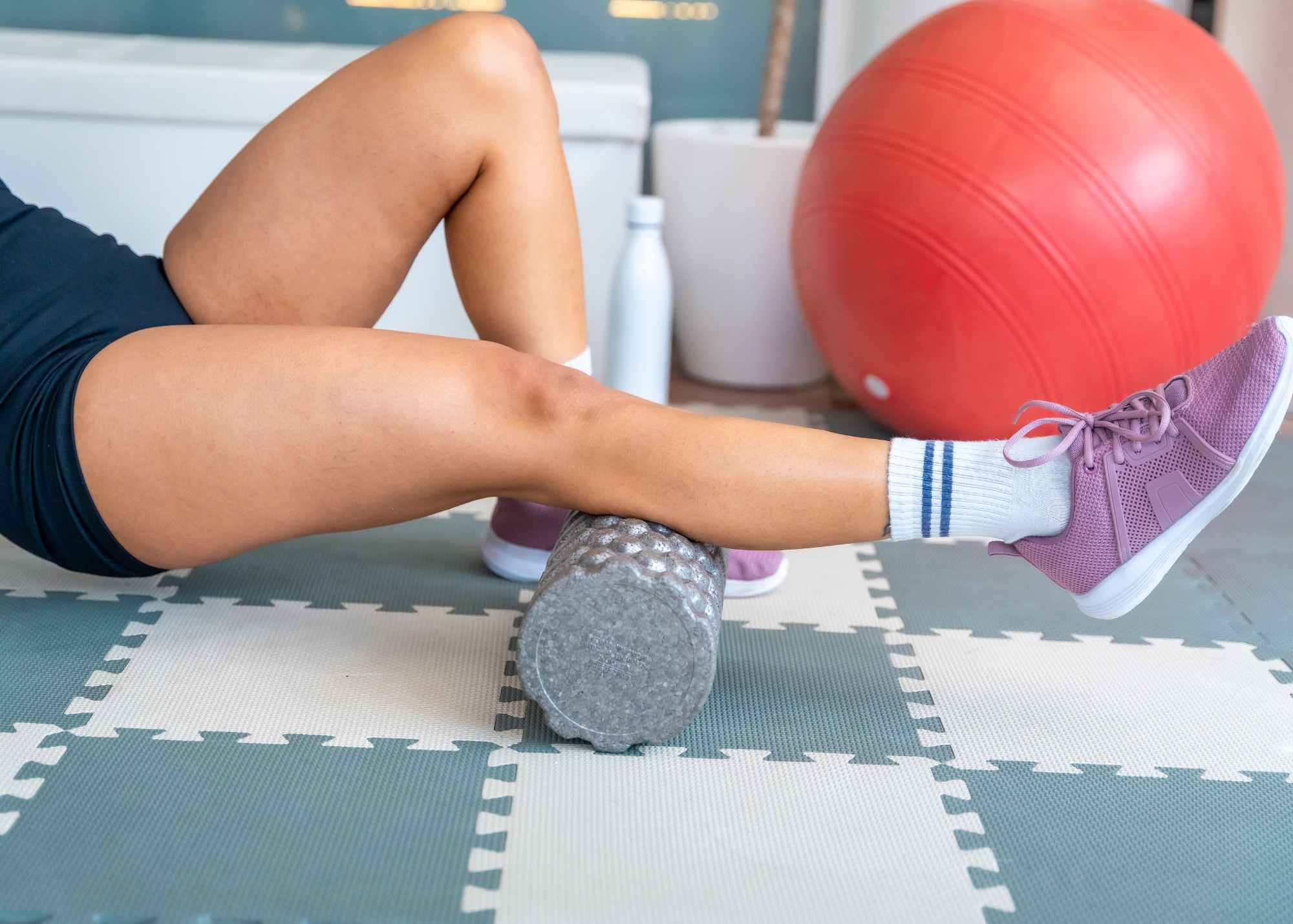
Common methods include massage, cold exposure, active recovery, compression, and water immersion.
Performance Relevance
Effective recovery strategies help athletes maintain training quality, reduce soreness, and manage fatigue across dense training or competition schedules.
However, the effectiveness of each modality varies widely depending on context, sport, and measurement outcomes.
Core Principle
Massage consistently shows the strongest evidence for reducing soreness and perceived fatigue.
Cold therapy, active recovery, compression, and water immersion demonstrate modest but variable benefits, with evidence quality differing substantially across studies and sports.
Key Evidence
Component 1: Massage Is the Most Effective Modality for Reducing Soreness and Fatigue

Massage Is the Most Effective Modality for Reducing Soreness and Fatigue
Dupuy et al. (2018), in a meta-analysis of 99 studies, found that:
- Massage produced the largest reductions in DOMS and perceived fatigue
- Cold exposure and massage both reduced inflammatory markers (CK, IL–6, CRP) with small to moderate effect sizes
- Active recovery, compression garments, and water immersion also reduced DOMS to varying degrees
This positions massage as the most consistently effective recovery tool.
Component 2: Cold Therapy Shows Context-Dependent Benefits

Cold Therapy Shows Context-Dependent Benefits
Webb et al. (2013) studied professional rugby players and found that:
- Cold water immersion and contrast water therapy
- Restored jump performance
- Reduced soreness by 42 hours post–match
- Outperformed active recovery
However, effects do not generalize across all sports.
Component 3: Active Recovery Shows Mixed Results

Active Recovery Shows Mixed Results
Kinugasa & Kilding (2009) found that in youth soccer players:
- Combined cold immersion + active recovery improved perceived recovery
- But did not meaningfully improve jump performance compared to passive recovery
This highlights the variability of outcomes depending on age, sport, and performance metric.
Component 4: Evidence Quality Varies Across Modalities

Evidence Quality Varies Across Modalities
Barnett (2006) concluded that:
- There was no substantial evidence supporting recovery modalities for between–session recovery in elite athletes
- Due to inconsistent protocols, heterogeneous study designs, and limited sport–specific research
Chen et al. (2025) similarly emphasized the need for standardized protocols to improve comparability and reliability.
Component 5: Integrated Interpretation of Evidence

Integrated Interpretation of Evidence
Massage is the most reliable modality for reducing soreness and fatigue, while cold therapy, active recovery, compression, and water immersion offer modest, context–dependent benefits.
Evidence quality varies considerably, and standardized research protocols are needed to determine optimal recovery strategies for different sports and competitive levels.
Conclusion
Massage is the most reliable modality for reducing soreness and fatigue, while cold therapy, active recovery, compression, and water immersion offer modest, context–dependent benefits.
Evidence quality varies considerably, and standardized research protocols are needed to determine optimal recovery strategies for different sports and competitive levels.
Citation
- Dupuy, O., et al. (2018)
- Webb, N., et al. (2013)
- Kinugasa, T., & Kilding, A. (2009)
- Barnett, A. (2006)
- Chen, J., et al. (2025)
Was this helpful?