Heart Rate Variability as a Tool for Monitoring Training Load
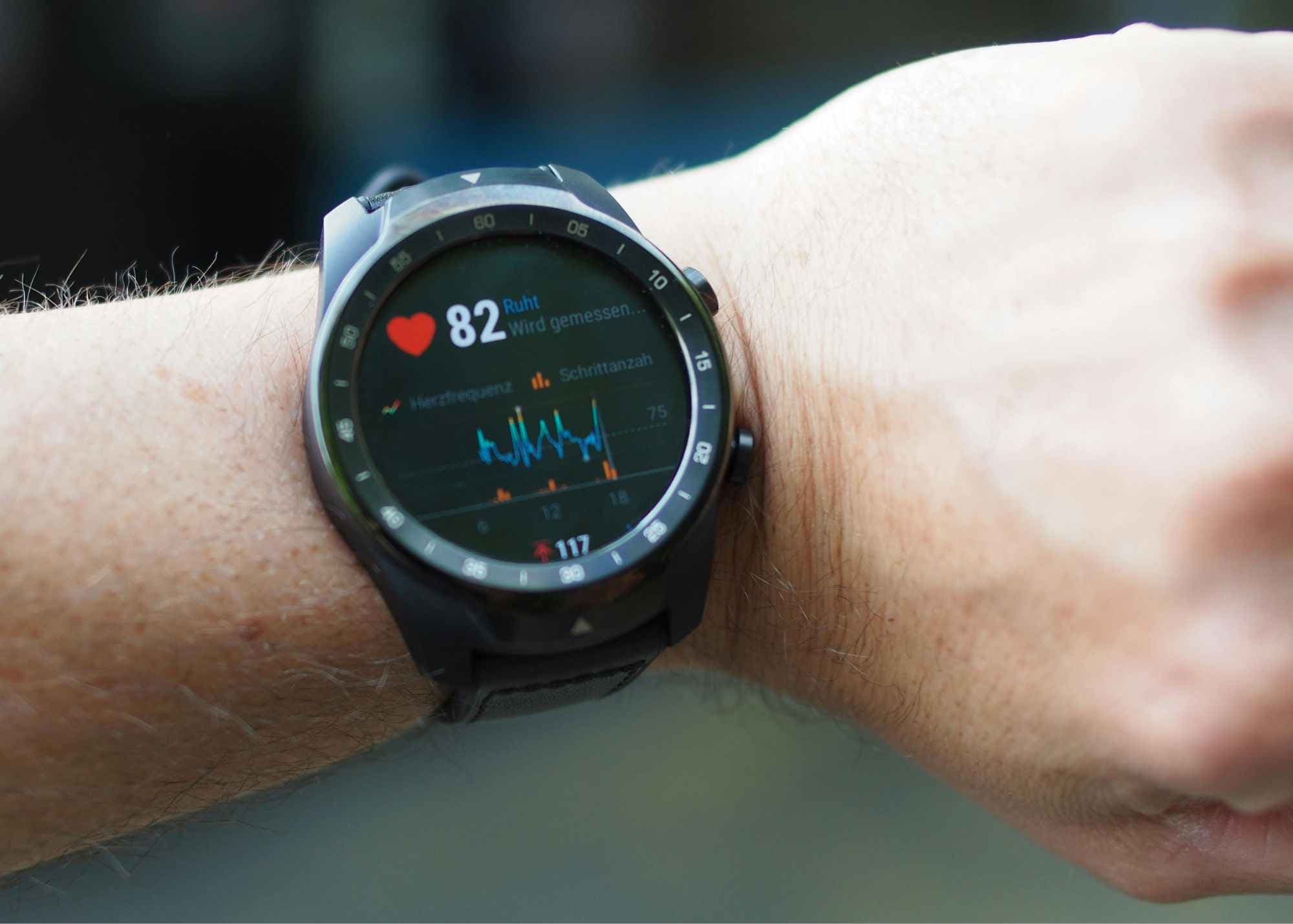
Heart rate variability (HRV) refers to the variation in time intervals between consecutive heartbeats and serves as a non–invasive biomarker of autonomic nervous system activity.
Definition of Heart Rate Variability
Heart rate variability (HRV) refers to the variation in time intervals between consecutive heartbeats and serves as a non–invasive biomarker of autonomic nervous system activity.
Performance Relevance
HRV provides insight into an athlete’s recovery status, training load tolerance, and autonomic balance, making it a practical tool for guiding training decisions and preventing maladaptation.
Core Principle
HRV is supported by moderate scientific evidence as a valid, non–invasive method for monitoring training load and recovery.
Across multiple studies, HRV correlates with established training load models and reflects both physiological stress and adaptation.
Key Evidence
Component 1: Correlation With Established Training Load Models

Correlation With Established Training Load Models
A validation study of 11 long–distance runners demonstrated that HRV indices correlated with:
- Foster training load (R = 0.61)
- Banister TRIMP model (R = 0.57)
These findings indicate HRV aligns with widely used internal load quantification methods.
Component 2: HRV Recovery Reflects Physiological Stress

HRV Recovery Reflects Physiological Stress
In 13 endurance–trained males, post–exercise HRV recovery showed:
- Negative correlation with perceived exertion
- Negative correlation with blood lactate concentration
This suggests HRV recovery dynamics mirror metabolic and perceptual fatigue markers.
Component 3: HRV–Guided Training Enhances Adaptation

HRV–Guided Training Enhances Adaptation
A controlled study involving 26 healthy males (9 in HRV–guided group) found that HRV–based training produced:
- Greater improvements in maximal running velocity
- HRV–guided: +0.9 km/h
- Predefined training: +0.5 km/h
- p = 0.048
This provides evidence that HRV–guided programming can improve training outcomes.
Component 4: HRV Responds to Training Stress Across Sports

HRV Responds to Training Stress Across Sports
Additional studies show consistent autonomic responses:
- Middle–distance runners (n = 7): parasympathetic HRV indices decreased 41% during heavy training (Pichot et al., 2000)
- Elite gymnasts (n = 6): HRV correlated with training load and psychophysiological status (Sartor et al., 2013)
These findings reinforce HRV’s sensitivity to training stress across diverse athletic populations.
Component 5: HRV as a Non–Invasive Monitoring Tool

HRV as a Non–Invasive Monitoring Tool
HRV is a scientifically supported, non–invasive tool that reflects training load, recovery status, and autonomic balance.
While evidence is promising, small sample sizes across studies limit generalizability, and HRV should be used as part of a broader monitoring system.
Conclusion
HRV is a scientifically supported, non–invasive tool that reflects training load, recovery status, and autonomic balance.
While evidence is promising, small sample sizes across studies limit generalizability, and HRV should be used as part of a broader monitoring system.
Citation
- Saboul et al., 2016
- Kaikkonen et al., 2010
- Kiviniemi et al., 2007
- Pichot et al., 2000
- Sartor et al., 2013
Was this helpful?