Cortisol, Testosterone & the T/C Ratio
The cortisol–testosterone balance, especially the T/C ratio, is a reliable hormonal marker of athlete recovery and training load.
Definition of Cortisol, Testosterone & the T/C Ratio
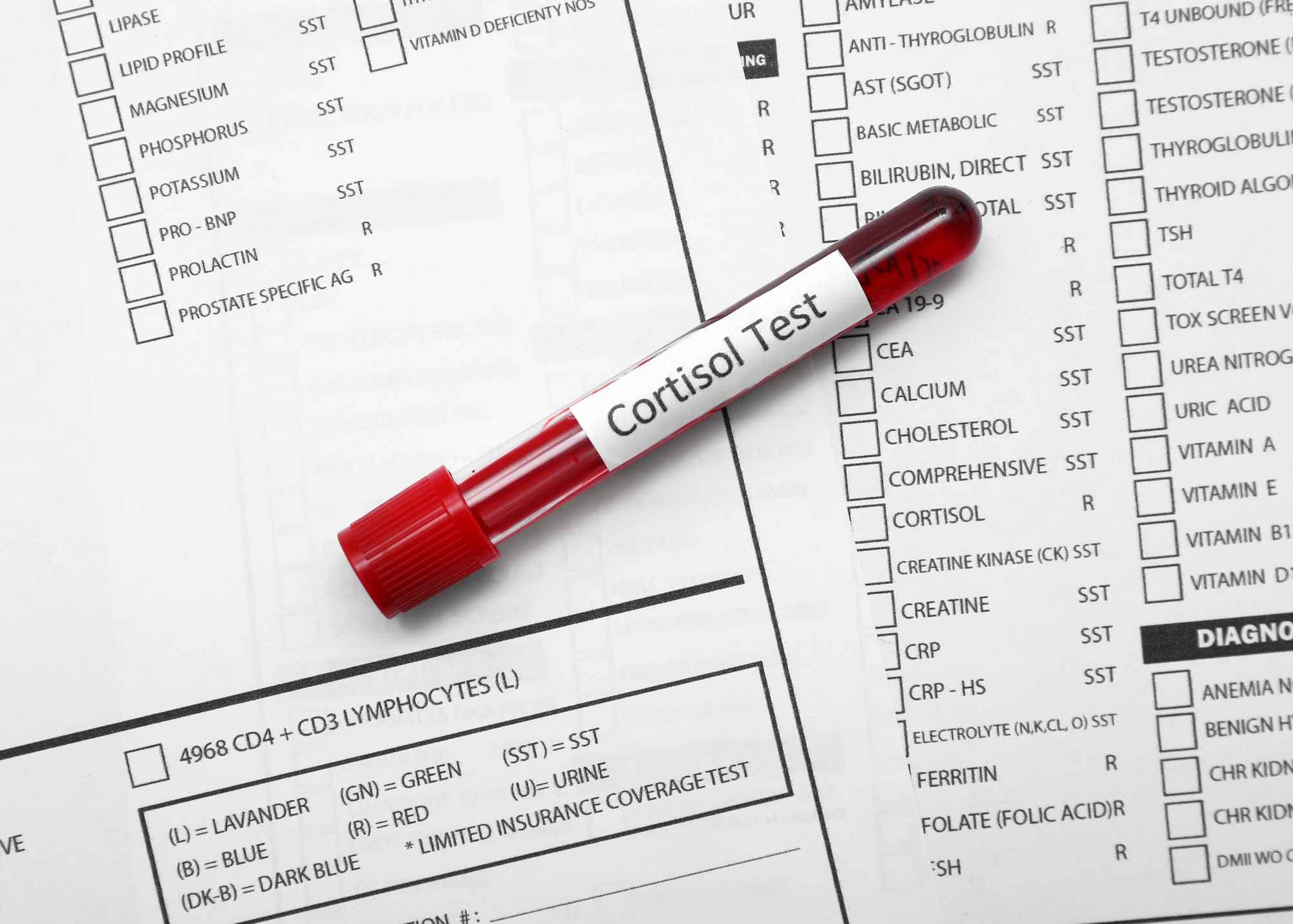
Cortisol and testosterone are key endocrine markers reflecting the body's catabolic and anabolic states. Cortisol rises during physical and psychological stress, promoting tissue breakdown and energy mobilization. Testosterone supports muscle repair, strength, and anabolic recovery. Their ratio (T/C) is widely used to assess training stress, recovery status, and potential overreaching in athletes.
Performance Relevance
The T/C ratio provides insight into whether an athlete is in a catabolic (high cortisol, low testosterone) or anabolic (low cortisol, high testosterone) state. A suppressed T/C ratio indicates high training stress, insufficient recovery, or risk of overreaching. A rising T/C ratio during recovery reflects restored anabolic capacity, improved tissue repair, and readiness for high‑intensity training or competition.
Core Principle
Exercise acutely elevates cortisol and suppresses testosterone, while recovery reverses this pattern—making the T/C ratio a reliable marker of training load and recovery status.
Key Evidence
Component 1: Acute Hormonal Response to Competition

Component 2: Recovery-Induced T/C Ratio Rebound

Component 3: Multi-Sport Evidence Base

Component 4: Modern Validation in Team Sports

Component 5: Systematic Review of Salivary Markers

Conclusion
Across decades of research and multiple sports, the pattern is consistent: exercise elevates cortisol and suppresses testosterone, while recovery reverses these effects, producing a higher T/C ratio. This makes the T/C ratio one of the most reliable endocrine indicators of training load, recovery quality, and potential overreaching. Although individual responses vary based on fitness level and workload, the overall evidence strongly supports using cortisol, testosterone, and their ratio as practical tools for athlete monitoring.
Citation
- P. Passelergue & G. Lac, 1999
- M. Elloumi et al., 2003
- G. Lac & P. Berthon, 2000
- D. Curzi et al., 2024
- R. Neves et al., 2023
- B. Popovic et al., 2019
Was this helpful?